
The information on Supplement Engine is for general educational purposes only and is not medical advice. It is not intended to diagnose, treat, cure, or prevent any disease, and should not replace consultation with a qualified healthcare professional. Availability and legal status of specific products vary by country — always check local regulations before purchasing. Supplement Engine is not affiliated with, endorsed by, or representative of the individuals whose public protocols are discussed on this site; all information is drawn from public statements and is provided for informational purposes only.
Some links on this page may be affiliate links. If you choose to make a purchase, we may earn a small commission at no additional cost to you.
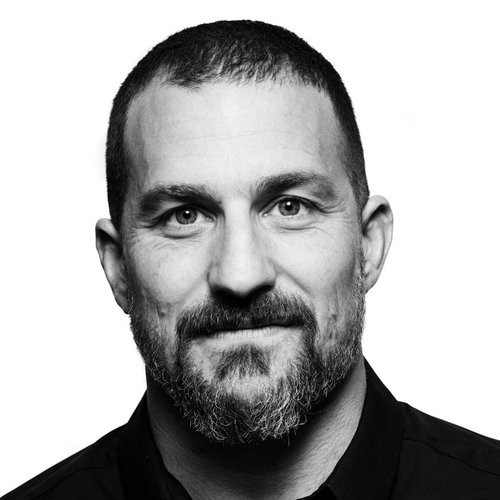
Andrew Huberman
Neuroscientist and host of the Huberman Lab podcast. Known for science-based health protocols.
Last updated: Feb. 2026
☀️ Morning
Dose: ≥1g EPA/DHA
Prioritizes omega-3 intake for brain, mood, and cardiovascular health.
Dose: Varies (blood-level guided)
Uses vitamin D as a foundational hormone-support nutrient.
Dose: 500–2,000mg (situational)
L-Tyrosine used during demanding cognitive work.
Dose: Varies
Botanical compounds like ginger/grape-seed extract discussed as part of health stack.
🌙 Sleep
📋 With Caffeine
📋 With Meal
📋 Varies
Dose: 3–5g when used
Creatine discussed and previously used for physical/cognitive performance.
About Andrew Huberman
Andrew Huberman is a neuroscientist who has become a prominent voice in the health and fitness community, largely due to his podcast, the Huberman Lab. His approach centers on translating complex neuroscience into actionable health protocols, bridging the gap between academic research and everyday wellness practices.
While not a fitness influencer in the traditional sense, Huberman’s work has influenced a broad audience interested in optimizing physical and mental performance through science.
Over the past few years, Huberman’s visibility has grown beyond academic circles, thanks to social media and the accessibility of his podcast content. His discussions often dive deeply into topics like sleep, stress, vision, and hormonal regulation, all framed through a neuroscience lens.
This has garnered him a following that values evidence-based recommendations, albeit with some controversy around certain claims and endorsements.
His content is rooted in his academic position as an associate professor at Stanford University School of Medicine, which adds to his perceived authority. Yet, the crossover from neuroscience research to practical health advice is not always straightforward, leading to debates about how broadly and confidently some of his recommendations should be applied.
Credibility Signals and Limitations
Andrew Huberman’s primary credibility arises from his academic background in neurobiology and ophthalmology at Stanford University. This foundation lends scientific rigor to his discussions on brain function, stress responses, and visual systems.
His podcast format allows for detailed explanations that often cite current research, which is a relatively rare approach in influencer-driven health content.
However, there are notable limitations. Although Huberman is a trained neuroscientist, he is not a clinician or certified fitness coach.
This distinction matters because translating neuroscience into personalized fitness or health regimens requires clinical validation and practical testing beyond theoretical frameworks. Some critics have raised concerns about his promotion of dietary supplements and specific protocols that lack robust clinical trials.
Furthermore, the format of podcasts and social media encourages simplification, which can sometimes lead to overgeneralization or premature conclusions. Listeners may take nuanced scientific findings as definitive health advice.
While Huberman often caveats his statements, the line between exploratory science and prescriptive guidance can blur.
What Advanced Lifters Can Still Learn
Advanced lifters typically seek highly specific, performance-oriented advice. Huberman’s focus on neuroscience might seem tangential, but it offers insights that go beyond traditional strength training protocols.
Understanding how the brain regulates stress, recovery, and motivation can fine-tune mental approaches to training, potentially improving consistency and results.
His emphasis on the circadian regulation of hormones and sleep highlights an often-overlooked pillar of performance. Lifters who struggle with recovery might benefit from strategies Huberman discusses, such as managing light exposure and sleep timing to optimize anabolic processes.
Additionally, his exploration of breathing techniques and autonomic nervous system control can provide tools for managing workout-related stress and enhancing focus during training sessions. This mental calibration is crucial for pushing limits safely and effectively.
- Neurobiological factors influencing motivation and fatigue
- The relationship between sleep architecture and muscle recovery
- Techniques to regulate stress responses before and during workouts
These elements complement physical training by addressing the internal environment in which performance occurs.
Background and Public Profile
Andrew Huberman was born in 1975 and has spent much of his career at Stanford University, where he serves as an associate professor in neurobiology and ophthalmology. His academic work has focused on brain plasticity, vision, and the neural mechanisms that underlie behavior and perception.
His public profile expanded significantly after launching the Huberman Lab podcast in 2021. The podcast covers a wide array of topics related to brain function, behavior, and health, and it is designed to make scientific research accessible to a general audience.
Huberman’s style is methodical and detailed, and he frequently references peer-reviewed studies.
On social media, he shares summaries and practical tips derived from his podcast content. This cross-platform presence has helped him reach a diverse audience, from casual listeners interested in wellness to professionals seeking deeper understanding of neuroscience and health.
The Business Layer Behind the Brand
Like many modern influencers, Huberman has developed a multi-faceted brand that extends beyond academia. His podcast is a cornerstone, but he also leverages social media platforms to disseminate bite-sized scientific insights and health tips.
Monetization includes sponsorships, affiliate links—particularly around supplements—and occasionally branded merchandise, although these are secondary to his educational goals. The financial aspects have drawn some scrutiny, especially regarding the promotion of supplements, prompting conversations about balancing scientific integrity with commercial interests.
Educational content remains the primary driver of his brand, with a focus on building trust through transparency about the limits of current research and the evolving nature of scientific understanding.
- Podcast sponsorships and partnerships
- Promotion of dietary supplements with disclosed affiliations
- Educational products and guest appearances in health-related media
These components reflect a broader shift in how scientists communicate with the public and sustain their work financially.
Common Misreadings of Their Message
Huberman’s content is deeply scientific, but some aspects can be misunderstood or oversimplified by his audience. One common misreading is treating his explanations of neural mechanisms as direct prescriptions for everyone.
For example, protocols around light exposure and cortisol management are often presented as universally applicable, when individual variability can significantly affect outcomes.
Another misinterpretation involves the supplements he discusses. Some followers perceive these as necessary or universally beneficial, whereas Huberman typically frames them as potentially helpful in specific contexts, emphasizing that more research is needed.
His discussions about stress and mental resilience can also be oversimplified into “hack-like” solutions, ignoring the complex, long-term nature of neurological adaptation.
Where People Disagree With Them
While Huberman’s scientific background is respected, some in the scientific and health communities have raised concerns about certain health claims and supplement endorsements. Critics argue that some protocols lack sufficient clinical evidence and that promoting supplements without robust trials can mislead consumers.
Others question the balance between educational content and commercial interests, suggesting that sponsorships might influence the impartiality of the advice given.
There is also debate around the limits of neuroscience as a foundation for broad health and fitness advice. Some professionals caution that knowledge of neural mechanisms alone cannot replace personalized clinical assessment and intervention.
The Core Training Philosophy
At its heart, Huberman’s approach is about optimizing the brain-body connection. He emphasizes that physical health and performance are inseparable from neurological function, including how the brain regulates stress, recovery, and motivation.
His philosophy encourages a dynamic, evidence-based approach to training and wellness, where attention to factors like sleep hygiene, light exposure, and breath control are as important as the physical exercises themselves.
Rather than promoting a one-size-fits-all routine, Huberman advocates for understanding individual physiological states and using scientific principles to adapt health behaviors accordingly.
What To Take From This
Andrew Huberman offers a valuable perspective by bringing neuroscience into conversations about health and fitness. His emphasis on brain function as a central component of physical performance encourages a more holistic approach to wellness.
For those willing to engage critically with his content, there is much to learn about the biological foundations of motivation, stress, and recovery. However, it is important to balance his insights with clinical guidance and recognize the evolving nature of the science he presents.
Ultimately, Huberman’s work underscores the complexity of human health and the potential benefits of integrating neuroscience into fitness routines, while reminding us to approach new protocols cautiously and thoughtfully.
⚠️ Based on public statements made on the Huberman Lab podcast and social media. This information is for educational purposes only and should not be considered medical advice.