
The information on Supplement Engine is for general educational purposes only and is not medical advice. It is not intended to diagnose, treat, cure, or prevent any disease, and should not replace consultation with a qualified healthcare professional. Availability and legal status of specific products vary by country — always check local regulations before purchasing. Supplement Engine is not affiliated with, endorsed by, or representative of the individuals whose public protocols are discussed on this site; all information is drawn from public statements and is provided for informational purposes only.
Some links on this page may be affiliate links. If you choose to make a purchase, we may earn a small commission at no additional cost to you.
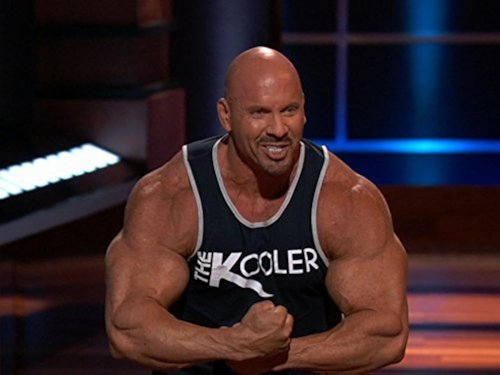
Stan Efferding
Strength coach known for performance nutrition strategies and straightforward food-based protocols.
Last updated: Feb. 2026
☀️ Morning
📋 Anytime
📋 During Workout
About Stan Efferding
Stan Efferding is a figure who bridges the worlds of bodybuilding and powerlifting with a distinct focus on performance nutrition. Known as "The White Rhino" for his formidable strength and size, he has earned a reputation not just for lifting extraordinary weights but for developing straightforward, food-based protocols aimed at optimizing strength and muscle growth.
Unlike many in the health and fitness space who often mix complex supplementation strategies with training advice, Efferding emphasizes practical nutrition approaches grounded in real food. This has made him a respected voice among athletes looking for no-nonsense guidance.
His career spans decades, encompassing professional bodybuilding and powerlifting competitions where he has set impressive records. Efferding’s achievements include holding all-time raw world powerlifting records in the 275-pound class, particularly in the squat and total without the use of knee wraps.
His dual success in two demanding strength disciplines places him in a unique position to speak on the interplay between nutrition, training, and recovery.
Beyond his athletic accomplishments, Efferding has cultivated a coaching and educational presence. Through public content, seminars, and interviews, he shares insights rooted in his personal experience and extensive experimentation.
His messaging consistently returns to the idea that strength and muscle development do not require overcomplicated diets or gimmicks but can be achieved through disciplined, well-structured food choices and training protocols.
Where People Disagree With Them
Although many appreciate Efferding’s clear, grounded approach to nutrition, his perspective isn’t without detractors. Some critics argue that his focus on large quantities of animal-based proteins and calories may not align with emerging research on plant-based diets or cardiovascular health.
This can create tension between his recommendations and those advocating for more diverse, plant-forward eating patterns.
Efferding’s emphasis on raw strength and heavy lifting also places him somewhat outside the mainstream fitness culture that increasingly values functional training, mobility work, and long-term joint health. While his approach works well for strength athletes, it might be seen as too aggressive or narrowly focused by others.
There is also the broader debate around “performance nutrition” versus general health. Efferding’s protocols are designed for those pushing the limits of strength and muscle gain, which might not translate well for average gym-goers or individuals with different health priorities.
Critics sometimes caution against adopting such intense nutritional regimens without considering individual differences in metabolism, health status, or personal goals.
How Their Ideas Have Evolved
Over time, Efferding’s ideas have matured, reflecting his ongoing personal experimentation and practical coaching experience. Early in his career, like many strength athletes, he likely followed more traditional bodybuilding nutrition, emphasizing strict meal timing and supplementation.
But as he gained experience, his focus shifted toward simplicity and sustainability.
His current protocols stress whole foods, particularly meat and other nutrient-dense animal products, but are balanced with thoughtful carbohydrate timing and attention to overall caloric intake. He often discusses the importance of adapting nutrition based on training cycles and recovery needs rather than rigid, one-size-fits-all plans.
Efferding has also incorporated more nuance into his coaching, acknowledging factors such as insulin sensitivity, digestive health, and individual response to various macronutrients. This evolution highlights his willingness to refine ideas based on both scientific evidence and practical results observed in his athletes.
Who Their Advice Fits Best
Efferding's nutritional and training advice primarily suits competitive strength athletes and serious lifters focused on maximizing muscle size and power output. His protocols emphasize calorie-dense, protein-rich diets that support high-volume, heavy lifting routines.
This makes them ideal for those in bodybuilding or powerlifting who require robust fuel sources and efficient recovery.
The approach also appeals to individuals who prefer clear, straightforward guidelines without extensive supplementation or extreme dieting. Athletes who value a food-first mindset and who tolerate higher protein and fat intakes tend to respond well to his methods.
However, his advice may be less suitable for people with metabolic disorders, those aiming for weight loss rather than mass gain, or those whose primary focus is endurance or general health improvement. Nor does it cater well to vegans or vegetarians due to its reliance on animal-based nutrition.
The Business Layer Behind the Brand
Stan Efferding has built a multifaceted business centered around coaching, education, and branded nutrition products. His reputation as a record-holding strength athlete lends credibility to his offerings, which include personalized coaching services, online programs, and seminars.
He also markets supplements and nutritional products aligned with his philosophy, often focusing on high-quality proteins and performance enhancers that complement his food-first approach. This business model combines his expertise with a commercial strategy to reach a broad audience interested in strength and muscle development.
His presence on social media platforms and participation in fitness expos further amplify his brand, allowing him to engage directly with followers and promote his coaching philosophy. The transparency in sharing his training and nutrition strategies helps build trust, though the commercial aspect invites scrutiny typical of influencer-led businesses.
Credibility Signals and Limitations
Efferding’s credibility rests primarily on his competitive achievements and extensive coaching experience. Holding world records in raw powerlifting speaks to unmatched physical capability, providing a strong foundation for his nutritional and training advice.
His open sharing of personal data, such as body composition and training numbers, enhances his trustworthiness. Moreover, his willingness to discuss both successes and failures adds depth to his educational content.
Nonetheless, Efferding does not hold formal academic qualifications in nutrition or exercise science, which may limit how his advice is received in strictly scientific or medical circles. His recommendations often stem from practical experience rather than peer-reviewed research, making them highly valuable in applied settings but potentially less rigorous from a theoretical perspective.
What Beginners Should Copy First
For those new to strength training or nutrition, Efferding’s most practical takeaway is the emphasis on simple, consistent eating based on whole foods. Beginners can start by focusing on adequate protein intake from familiar sources like lean meats, eggs, and dairy, combined with balanced carbohydrates and fats.
Another key principle is prioritizing progressive strength training with proper technique before attempting advanced protocols or supplementation. Efferding’s philosophy encourages patience and building a strong foundation rather than chasing quick fixes.
Newcomers should also pay attention to recovery, ensuring they consume enough calories to support their activity levels and avoid undereating. This approach sets the stage for sustainable progress and reduces injury risk.
Their Influence on Fitness Culture
Efferding stands out as a prominent voice advocating for a food-first, strength-centered approach in a fitness culture often fragmented by trends and extremes. His success as both a bodybuilder and powerlifter lends weight to his message that strength and muscle growth can be achieved through disciplined, pragmatic nutrition.
He has inspired many athletes and coaches to rethink overly complicated dietary systems and return to basics. His emphasis on raw strength and honest food choices contrasts with some popular fitness narratives focused on aesthetics or fad diets.
While not as universally known as some mainstream influencers, Efferding’s influence is strong within strength sports communities, where his principles have encouraged a more sustainable, evidence-informed approach to performance.
Final Thoughts
Stan Efferding occupies a unique niche at the crossroads of bodybuilding and powerlifting, combining elite athletic achievement with a clear, practical nutrition philosophy. His straightforward, performance-driven protocols offer a refreshing alternative to the often convoluted diet trends seen in fitness.
While his advice is tailored to serious strength athletes and may not fit every lifestyle or goal, the core principles of food quality, consistency, and progressive training carry broad relevance. Efferding’s career and coaching demonstrate the value of experience-based wisdom, tempered by ongoing learning and adaptation.
For those willing to prioritize strength and muscle development through real food and honest effort, Efferding’s approach provides a reliable roadmap grounded in decades of personal and professional success.
⚠️ Based on public coaching content, talks, and interviews. This information is for educational purposes only and should not be considered medical advice.