
The information on Supplement Engine is for general educational purposes only and is not medical advice. It is not intended to diagnose, treat, cure, or prevent any disease, and should not replace consultation with a qualified healthcare professional. Availability and legal status of specific products vary by country — always check local regulations before purchasing. Supplement Engine is not affiliated with, endorsed by, or representative of the individuals whose public protocols are discussed on this site; all information is drawn from public statements and is provided for informational purposes only.
Some links on this page may be affiliate links. If you choose to make a purchase, we may earn a small commission at no additional cost to you.
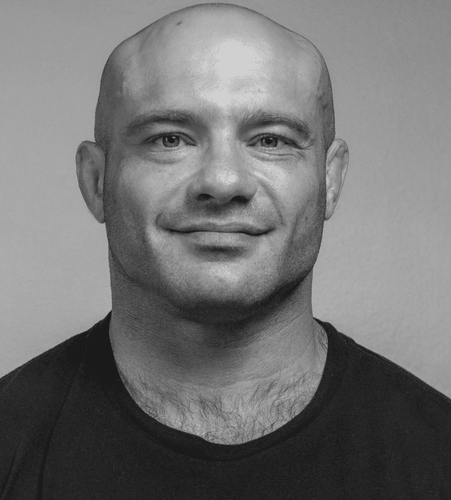
Mike Israetel
Sports physiologist and coach known for hypertrophy training principles and practical diet guidance.
Last updated: Feb. 2026
☀️ Morning
Dose: Unspecified
Added from the Feb 2026 routine snapshot: fish oil included in his morning stack (dose not stated).
Dose: Unspecified
Added from the Feb 2026 routine snapshot: NMN included in his morning stack (dose not stated).
Dose: Unspecified
Added from the Feb 2026 routine snapshot: CBD gummies included in his morning stack (dose not stated).
💪 Pre-Workout
Dose: 100–200mg
Commonly endorsed for training performance (avoid late-day if sleep suffers).
📋 Anytime
📋 During Workout
Dose: 1 serving
Electrolytes/hydration support when sweating heavily or training hard.
Dose: 45g whey
Added from the Feb 2026 routine snapshot: intra-workout shake includes 45g whey protein.
Dose: 30g carbs
Added from the Feb 2026 routine snapshot: intra-workout shake includes ~30g carbohydrate powder.
About Mike Israetel
Mike Israetel is a prominent figure in the health and fitness community, known for his practical and scientifically grounded approach to hypertrophy training and nutrition. As a sports physiologist and coach, Israetel has carved out a reputation for translating complex exercise science into clear, actionable advice for athletes and recreational lifters alike.
His emphasis on evidence-based principles makes him a valuable resource for those seeking sustainable progress rather than quick fixes.
Unlike many influencers who prioritize flashy content or extreme transformations, Israetel’s work focuses on consistency, volume management, and nutritional strategies that support muscle growth and recovery. Over the years, his educational materials—ranging from books to online courses and interviews—have made a meaningful impact on how people approach strength training and dieting, especially in bodybuilding and physique development circles.
Background and Public Profile
Mike Israetel holds advanced degrees in sports science, which underpin his coaching and educational work. His background as a sports physiologist gives him a solid foundation in human physiology and training adaptation.
This academic grounding sets him apart from many other influencers who rely primarily on anecdotal experience.
Israetel co-founded Renaissance Periodization, a company dedicated to providing scientifically credible diet plans and training programs. This venture reflects his commitment to making advanced sports science accessible and usable for a broad audience.
He frequently collaborates with other experts in the field, contributing to research and public discourse on hypertrophy and nutrition.
His public profile is built largely on educational content rather than personal spectacle. He avoids sensationalism, instead opting to explain the "why" behind training recommendations. This approach has earned him respect among both professionals and serious fitness enthusiasts.
What They Get Right
One of Israetel’s key strengths lies in his nuanced understanding of training volume and intensity. He emphasizes that hypertrophy is best achieved through a calibrated approach to workload, rather than simply lifting the heaviest weights possible or training to failure every session.
He also provides practical diet guidance that accounts for the realities of everyday life. Rather than promoting extreme calorie restrictions or overly complex meal plans, Israetel focuses on principles like energy balance, nutrient timing, and sustainable habits.
His advice on periodization—how to vary training variables over time to optimize progress and avoid burnout—is grounded in scientific literature and practical experience. This balance between theory and application helps lifters manage fatigue and maximize gains.
In summary, his core strengths include:
- Emphasis on volume and recovery balance
- Evidence-based periodization models
- Realistic, flexible nutritional strategies
- Clear explanations of physiological processes
- Transparency about the limits of training adaptations
Signature Content and Teaching Style
Israetel’s educational style is methodical and patient. He often breaks down complex concepts into digestible parts, using simple language without dumbing down the science. This makes his content accessible to a wide range of learners, from beginners to advanced lifters.
His signature content frequently involves detailed tutorials on hypertrophy mechanisms, training frequency, and diet structuring. He uses diagrams, charts, and examples to illustrate points, helping viewers and readers visualize abstract ideas.
Rather than focusing on quick tips or viral trends, Israetel prioritizes foundational knowledge. His videos and writings often include references to peer-reviewed studies, showing a commitment to academic rigor.
His tone is straightforward and occasionally blunt, avoiding hype or exaggerated claims. This no-nonsense approach appeals to those tired of fitness misinformation.
What Beginners Should Copy First
For newcomers to training, Israetel’s principles of volume management and progressive overload are an excellent starting point. Beginners should focus on gradually increasing their training work and learning to listen to their bodies’ recovery signals.
Adopting a structured training plan that includes variation in intensity and frequency can help build a solid foundation without risking injury or burnout. Israetel’s emphasis on patience and consistency is particularly relevant for those just starting out.
On the nutrition side, beginners benefit from his advice to maintain a moderate calorie surplus or deficit depending on goals, rather than extreme dieting. Simple habits like tracking food intake and prioritizing protein are actionable first steps.
Key beginner takeaways include:
- Start with manageable training volume and frequency
- Focus on consistent progression, not maximal effort every session
- Follow a flexible, balanced diet emphasizing protein intake
- Prioritize recovery through sleep and stress management
- Use evidence-based program structures rather than random workouts
Common Misreadings of Their Message
Israetel’s nuanced approach is sometimes misunderstood as overly technical or rigid. Some may interpret his emphasis on volume prescription as formulaic, overlooking the adaptable nature of his recommendations.
Others might assume that his focus on hypertrophy excludes strength or athletic performance goals, when in fact his principles apply broadly but are optimized for muscle growth. Misinterpretations can also arise from viewers who cherry-pick advice without considering the broader context.
Additionally, some critics view his reliance on scientific literature as dismissive of personal experience, but Israetel often balances evidence with practical coaching insights.
Misreadings to watch for:
- Thinking his programs are one-size-fits-all without adjustment
- Overemphasizing exact numbers rather than effort and recovery signals
- Assuming his advice ignores other training goals like power or endurance
- Viewing his science-based style as lacking flexibility or empathy
The Business Layer Behind the Brand
Israetel’s influence extends beyond content creation into the realm of business and coaching services. Renaissance Periodization offers paid diet and training plans, coaching, and certification courses that reflect his scientific approach.
By creating scalable products, Israetel has built a sustainable model that supports ongoing research and content development. This also allows him to engage with clients who want personalized guidance rooted in his principles.
His brand maintains a reputation for integrity, focusing on education rather than quick sales tactics. This has helped build a loyal community of followers who value quality information.
Key aspects of his business model include:
- Offering tiered services from free content to personalized coaching
- Investing in research and evidence-based program development
- Maintaining transparent communication about limitations and expectations
- Building a community around education and lifelong learning
Their Influence on Fitness Culture
Israetel has contributed to shifting fitness culture toward a more evidence-driven mindset. His work encourages critical thinking and skepticism of fad diets or gimmicky training methods.
By promoting sustainable hypertrophy strategies, he has helped normalize the idea that muscle growth is a gradual process requiring patience and smart planning. This stands in contrast to social media trends that often emphasize instant results.
His collaborations with other experts and participation in podcasts and conferences have furthered public understanding of training science.
Who Their Advice Fits Best
Israetel’s guidance is particularly suited for intermediate to advanced lifters focused on hypertrophy and physique improvement. Athletes who want to integrate scientific principles into their training will find his work invaluable.
Beginners can benefit as well, especially those who appreciate a structured, educational approach rather than quick-fix solutions. However, absolute novices might need additional support in technique and foundational movement skills beyond Israetel’s scope.
His advice also suits coaches and trainers seeking evidence-based frameworks to enhance their programming and athlete management.
The Core Training Philosophy
At the heart of Israetel’s approach is the concept of managing training volume and intensity to maximize muscle growth while minimizing injury and overtraining risk. He advocates for periodized plans that balance workload and recovery intelligently.
He views hypertrophy as a function of mechanical tension, metabolic stress, and muscle damage, with volume acting as a primary driver. Recovery and nutrition are integral components that support this process.
Rather than chasing maximal effort daily, Israetel encourages strategic training stress paired with adequate rest. This philosophy aims for steady progress over time instead of short bursts of unsustainable intensity.
Where It Lands
Mike Israetel’s work occupies a valuable space in fitness education by bridging the gap between science and practical coaching. His thoughtful, evidence-based approach has helped many lifters achieve lasting progress without falling prey to misinformation or gimmicks.
While his style demands some commitment to learning and critical thinking, it offers a reliable roadmap for those serious about hypertrophy and sustainable fitness. His influence is likely to continue shaping how strength training and nutrition are taught and practiced.
In a culture often driven by quick fixes and flashy content, Israetel’s steady, methodical voice provides a welcome anchor for those seeking depth and rigor in their training journey.
⚠️ Based on public educational content and interviews. This information is for educational purposes only and should not be considered medical advice.